
Our Products

Superior Parts for Demanding Applications

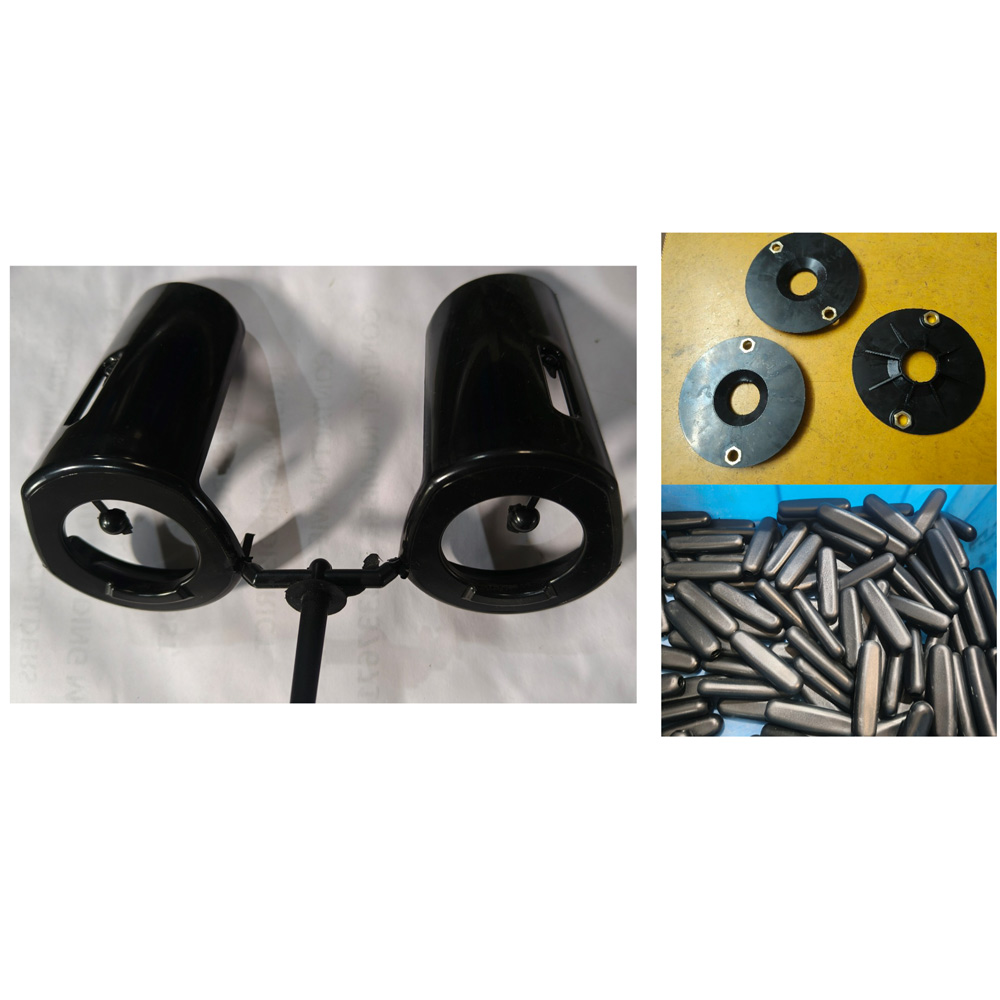
ABS

UV-Stable, Durable & Color-Fast

ABS (Acrylonitrile Butadiene Styrene) is a premier engineering thermoplastic renowned for its exceptional balance of impact resistance, structural toughness, and high-quality surface finish. As a versatile terpolymer, it offers superior dimensional stability and rigidity, making it the preferred choice for manufacturing complex, high-stress components across the automotive, consumer electronic, and industrial sectors. Its excellent processability allows for intricate designs and tight tolerances, while its inherent chemical resistance ensures long-term durability in demanding environments.

Whether utilized for its high tensile strength or its ability to be easily plated and painted, ABS provides a reliable, cost-effective solution for producing robust parts that require a professional, polished aesthetic.
ASA

Advanced UV Resistance & Outdoor Performance
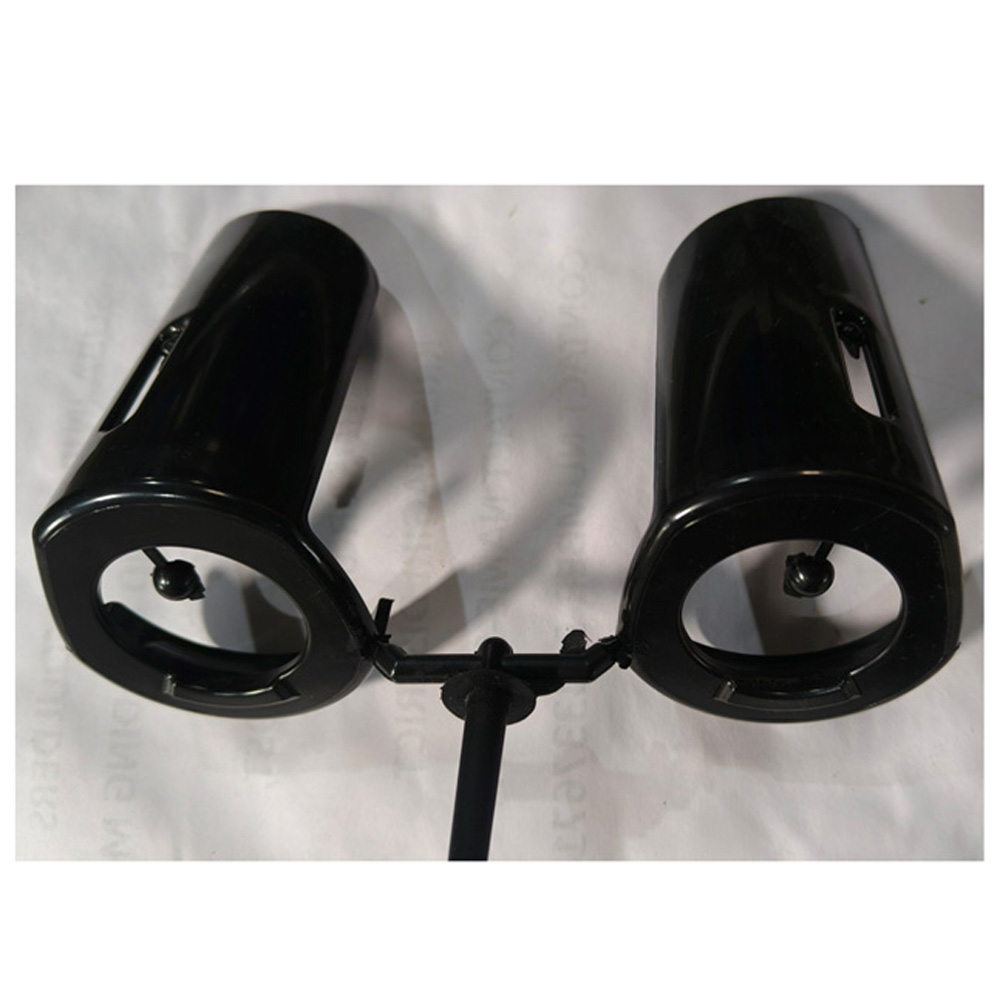
ASA (Acrylonitrile Styrene Acrylate) is a high-grade engineering thermoplastic specifically engineered to provide extraordinary weatherability and long-term aesthetic retention. While it shares the high impact resistance and structural rigidity of ABS, ASA is uniquely distinguished by its acrylic ester component, which provides an inherent defense against ultraviolet radiation and harsh environmental conditions.

This makes it the premier choice for outdoor industrial components, automotive exterior trim, and infrastructure hardware that must withstand prolonged sunlight without fading, yellowing, or becoming brittle. Its exceptional dimensional stability and chemical resistance ensure that manufactured parts maintain their mechanical integrity and precise tolerances even when subjected to extreme temperature fluctuations and aggressive atmospheric pollutants.
Durocon

High-Precision Self-Lubricating Acetal
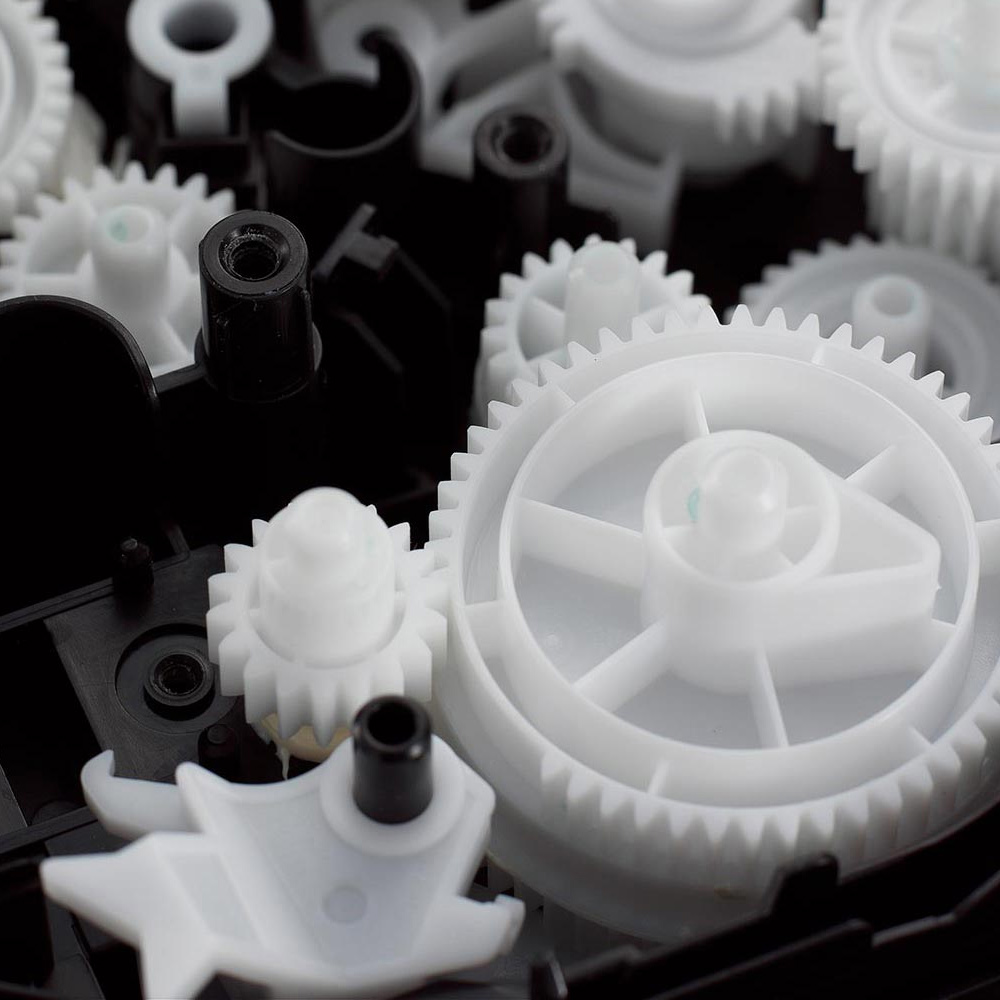
Durocon (Polyacetal/POM) is a high-performance engineering thermoplastic designed for applications requiring high stiffness, low friction, and exceptional dimensional stability. As a semi-crystalline polymer, it serves as an ideal metal replacement in precision engineering due to its high mechanical strength and resistance to fatigue.

Its inherent self-lubricating properties and excellent wear resistance make it the material of choice for moving parts such as gears, bearings, and conveyor links, where smooth operation and long-term durability are critical. With low moisture absorption and high chemical resistance, Durocon maintains its precise tolerances and structural integrity even in challenging environments involving humidity or exposure to fuels and solvents.
POM(DERLIN)

The Ultimate High-Performance Acetal Homopolymer
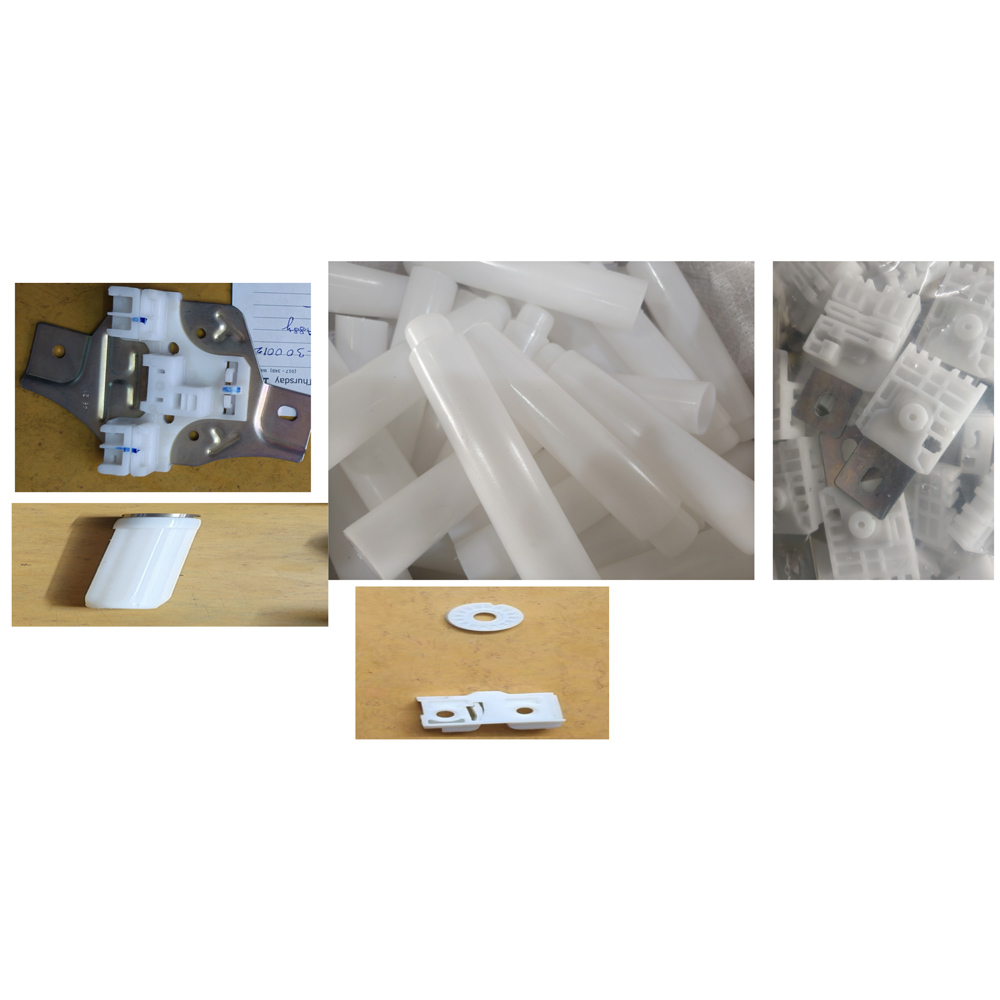
POM (DERLIN) is a high-performance, crystalline engineering thermoplastic designed for highly loaded mechanical applications where metal-like properties are required. Known for its exceptional tensile strength, creep resistance, and high fatigue endurance, Delrin serves as the industry standard for precision components that must maintain their shape under continuous stress.

Its low coefficient of friction and superior wear resistance make it ideal for high-speed moving parts, ensuring smooth, silent operation without the need for additional lubrication. With excellent resistance to moisture, fuels, and solvents, Delrin provides remarkable dimensional stability, allowing engineers to design intricate parts with tight tolerances that remain consistent across varying environmental conditions.
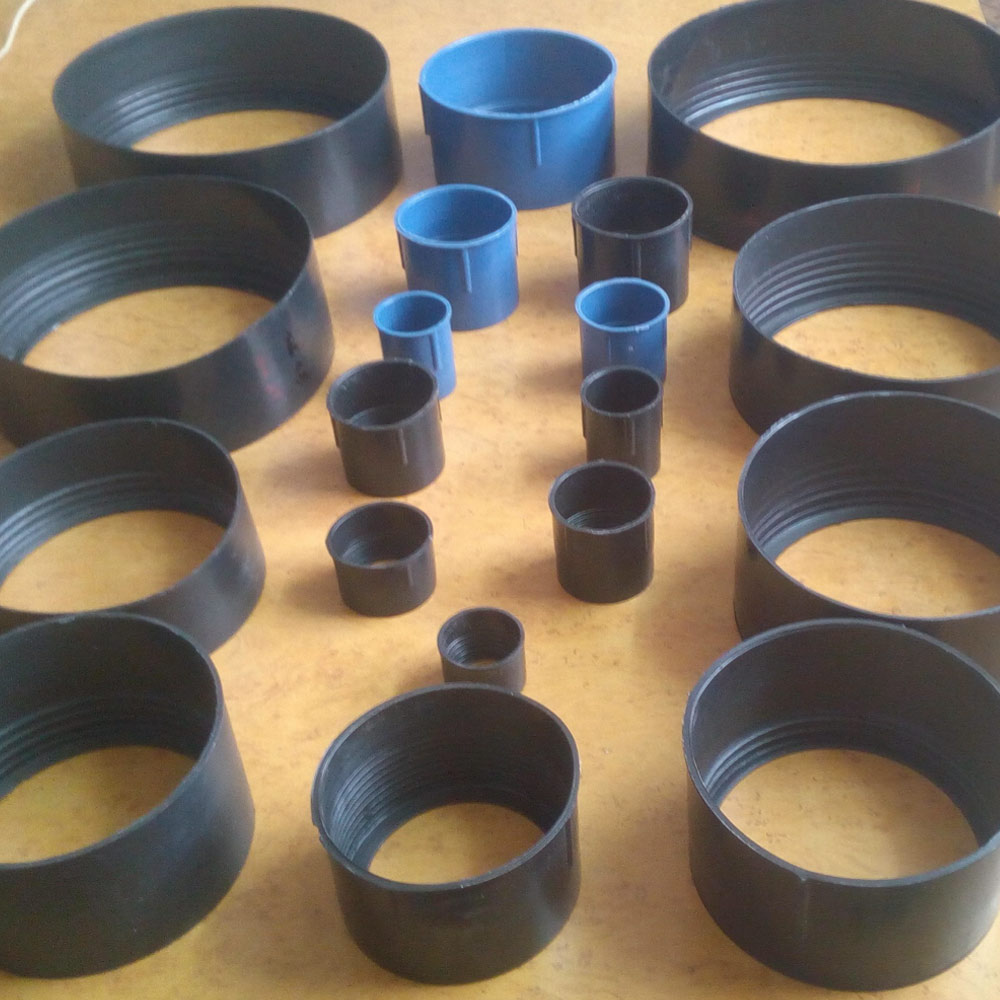
HDPE

High-Density Polyethylene for Industrial Resilience
HDPE (High-Density Polyethylene) is a versatile, high-strength engineering thermoplastic celebrated for its exceptional durability and superior chemical resistance. Characterized by its high strength-to-density ratio, HDPE provides a robust solution for applications requiring a material that is both lightweight and incredibly tough.

Its molecular structure grants it significant impact resistance and high tensile strength, making it nearly impervious to cracking or breaking under physical stress. Because it is non-leaching and resistant to mold, mildew, and corrosion, HDPE is the premier choice for demanding environments ranging from heavy-duty industrial piping and chemical storage tanks to food-grade containers and medical packaging.Beyond its mechanical toughness, HDPE is highly valued for its environmental resilience and sustainability.
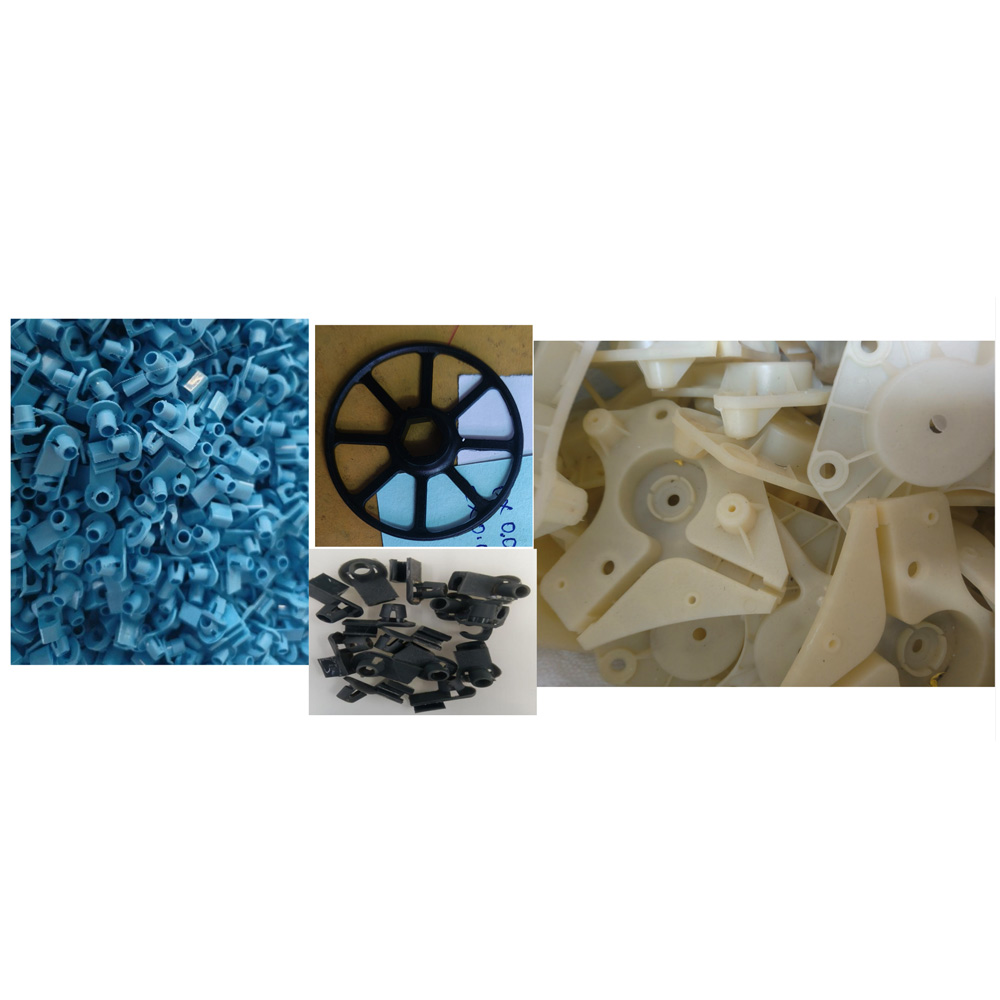
Nylon 6 & 66

High-Strength Mechanical Polyamides
Nylon 6 and Nylon 66 are high-performance polyamides recognized as the backbone of the engineering plastics industry, offering an exceptional combination of mechanical strength, thermal stability, and wear resistance. Nylon 6 is celebrated for its excellent surface finish, high impact strength, and ease of processing, making it the ideal choice for intricate components that require a balance of aesthetics and toughness. In contrast, Nylon 66 is engineered for higher-performance environments, providing superior mechanical stiffness, a higher melting point, and enhanced abrasion resistance.

Both materials possess a natural ability to withstand high-load conditions and repeated mechanical stress, serving as vital metal-replacement solutions in the automotive, electrical, and industrial machinery sectors.
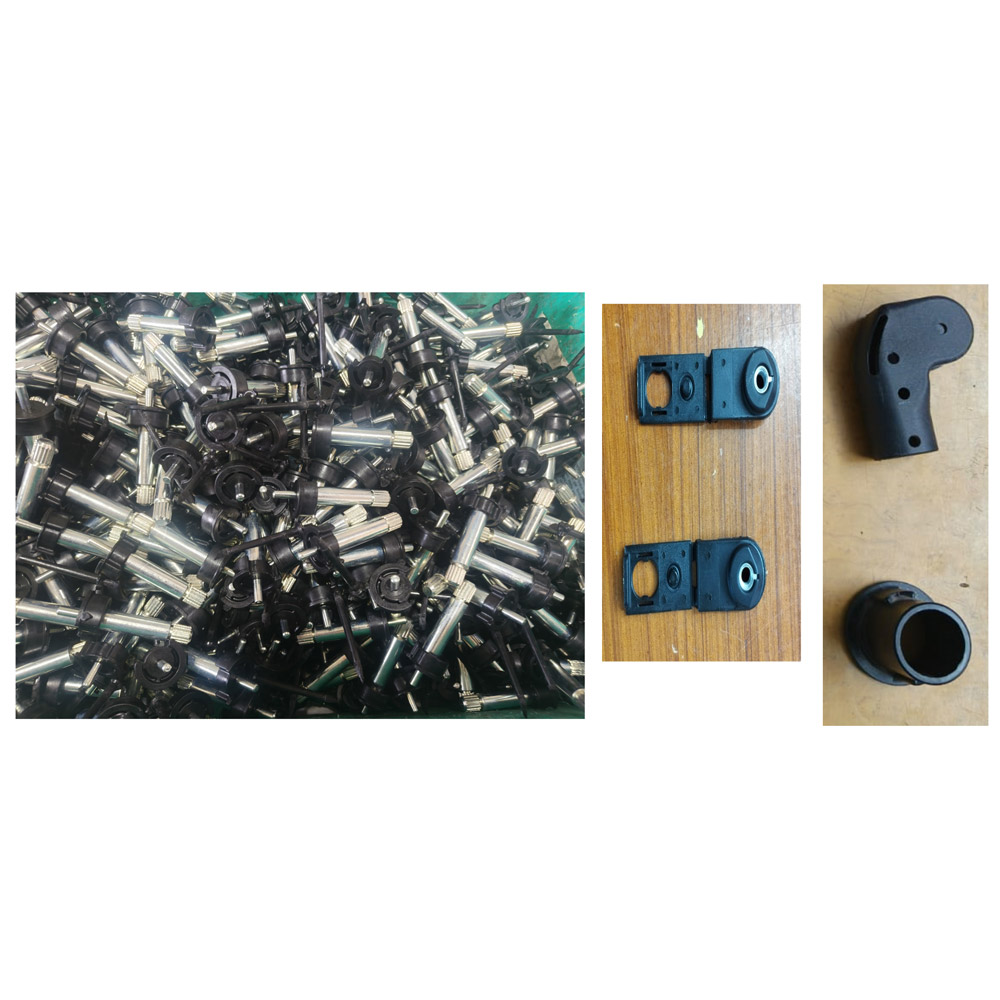
Nylon GF

High-Rigidity Glass-Reinforced Composite
Nylon GF (Glass-Filled) is a high-performance composite engineered by reinforcing standard polyamide resins with high-strength glass fibers to achieve superior mechanical properties. This reinforcement significantly increases the material’s tensile strength, stiffness, and creep resistance, making it an essential choice for structural components that must endure continuous heavy loads without deforming. By integrating glass fibers—typically ranging from 15% to 50%—the material’s thermal stability is dramatically enhanced, allowing it to maintain dimensional accuracy and structural integrity at much higher temperatures than unfilled nylon.

This makes Nylon GF the preferred industrial solution for replacing die-cast metal parts in high-stress environments where weight reduction and corrosion resistance are critical.
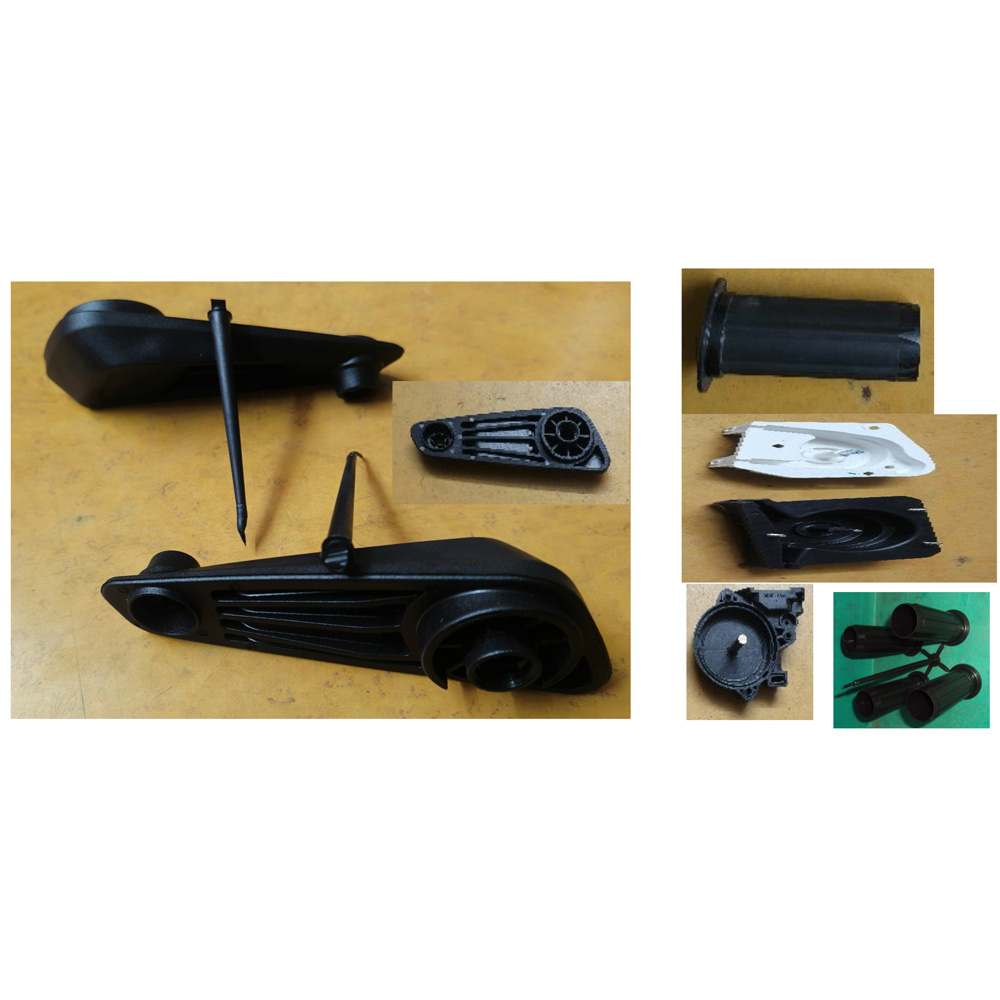
PPCP

High-Impact Endurance & Chemical Resilience
PPCP (Polypropylene Copolymer) is a high-performance engineering grade of polypropylene specifically formulated to overcome the limitations of standard homopolymers. By incorporating ethylene into the polymer chain, PPCP achieves a much higher level of impact strength and toughness, particularly at low temperatures where other plastics might become brittle. This makes it an exceptionally versatile material for manufacturing durable, lightweight components that must withstand physical stress, repeated vibration, and heavy-duty usage.

Its excellent chemical resistance to acids, alkalis, and organic solvents, combined with its superior fatigue resistance, ensures that it remains a primary choice for complex industrial and consumer applications.
PBT

High-Performance Electrical & Thermal Insulator
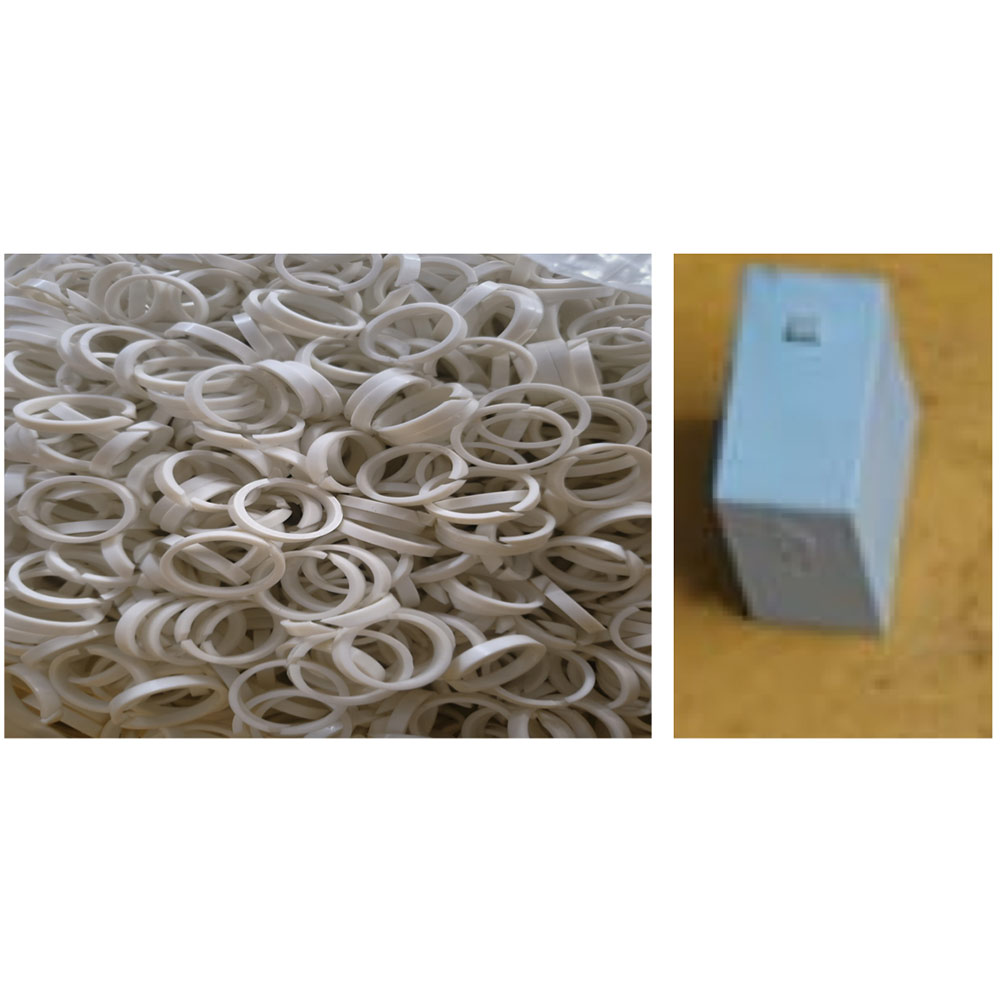
PBT (Polybutylene Terephthalate) is a high-performance, semi-crystalline engineering thermoplastic belonging to the polyester family, specifically engineered for demanding industrial and electronic applications. It is renowned for its exceptional electrical insulation properties and high dielectric strength, making it the premier choice for manufacturing complex connectors, switches, and circuit breaker components. PBT’s molecular structure provides excellent thermal stability and a high heat deflection temperature, ensuring that parts remain dimensionally stable and structurally sound even during continuous exposure to elevated temperatures.

Its rapid crystallization rate allows for high-speed injection moulding cycles, offering manufacturers a highly efficient and cost-effective production path for high-precision components.
PPS

Ultra-High Temperature & Chemical Stability
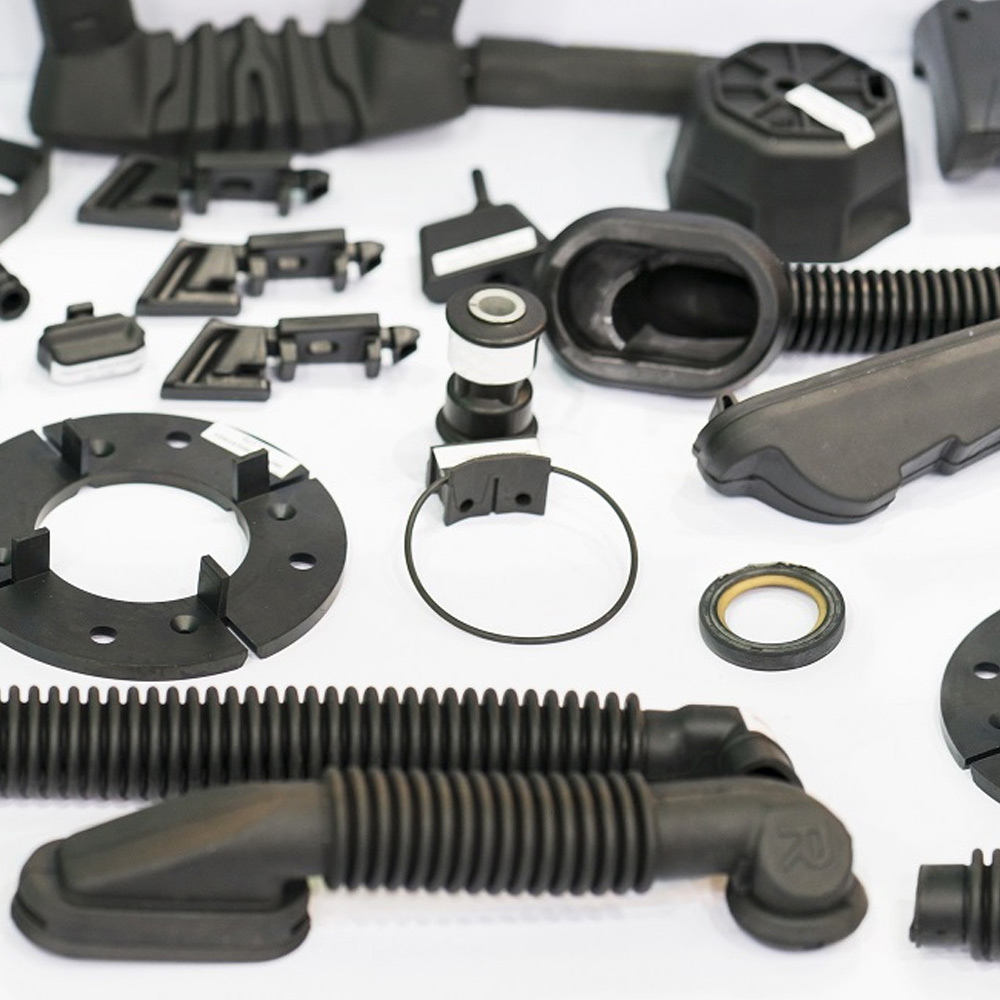
PPS (Polyphenylene Sulfide) is a high-performance, semi-crystalline engineering thermoplastic known for its extraordinary thermal stability and unrivaled chemical resistance. It is often referred to as a “super-plastic” because it can withstand continuous operating temperatures exceeding 200°C without losing its structural integrity. PPS is naturally flame retardant and possesses excellent electrical insulation properties, making it an essential material for high-voltage components, automotive engine sensors, and aerospace hardware.

Its unique molecular structure, consisting of alternating benzene rings and sulfur atoms, provides a high level of stiffness and dimensional stability, ensuring that precision-molded parts maintain their exact tolerances even under extreme mechanical and thermal stress.
Polyurethane

High-Elasticity & Abrasion-Resistant Polymer
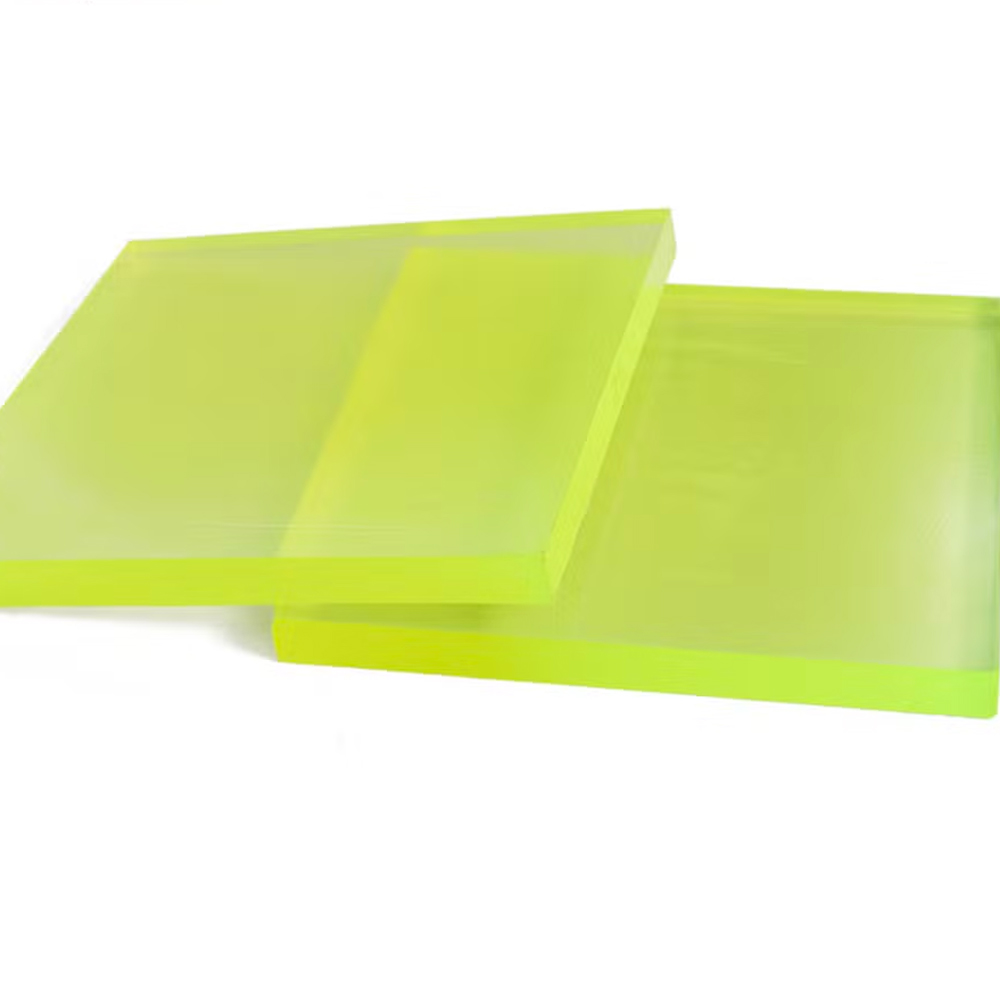
PU (Polyurethane) is an incredibly versatile engineering elastomer that bridges the gap between flexible rubber and rigid plastics. It is uniquely engineered to provide the elasticity of rubber combined with the high load-bearing capacity and durability of structural polymers. Renowned for its exceptional abrasion resistance, PU can outlast most rubbers and metals in high-friction environments, making it the premier choice for industrial rollers, seals, and gaskets.

Its molecular structure allows for a wide range of hardness levels, from soft, cushioning foams to hard, impact-resistant solid parts, ensuring it can be tailored to meet the specific mechanical demands of diverse industrial applications. Beyond its physical toughness, PU offers outstanding resistance to oils, greases, and many chemicals.
PVC

High-Durability & Chemical-Resistant Polymer
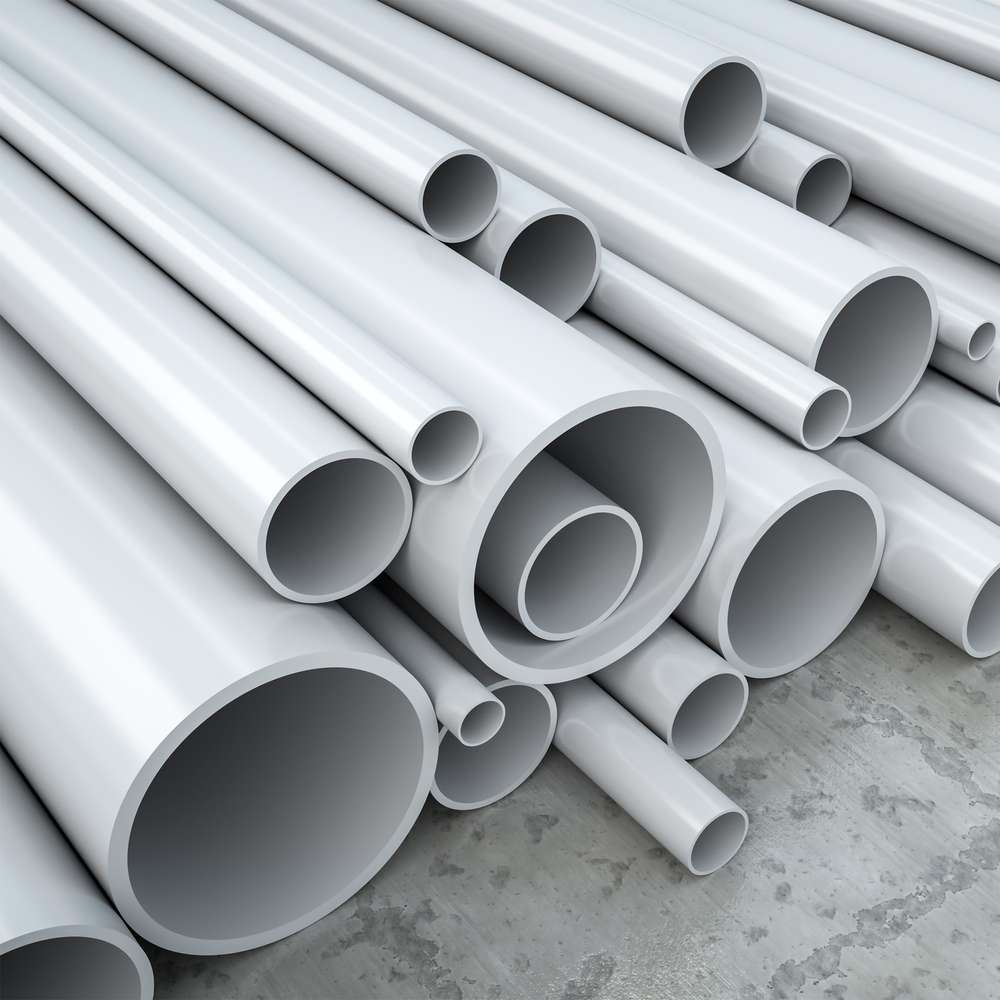
PVC (Polyvinyl Chloride) is one of the most widely utilized and versatile engineering thermoplastics in the world, valued for its exceptional chemical resistance, biological stability, and inherent flame retardancy. As a high-strength polymer, PVC is naturally rigid and provides excellent structural integrity, making it a cornerstone material for the construction, infrastructure, and medical sectors. Its molecular structure, characterized by the presence of chlorine atoms, makes it inherently resistant to ignition and prevents the spread of flames, a critical safety feature for electrical conduits and building materials.

Whether in its rigid form (uPVC) or made flexible through the addition of plasticizers, PVC offers a reliable, low-maintenance solution for long-term industrial use.
LDPE

LDPE: Ultra-Flexible & High-Clarity Polyethylene
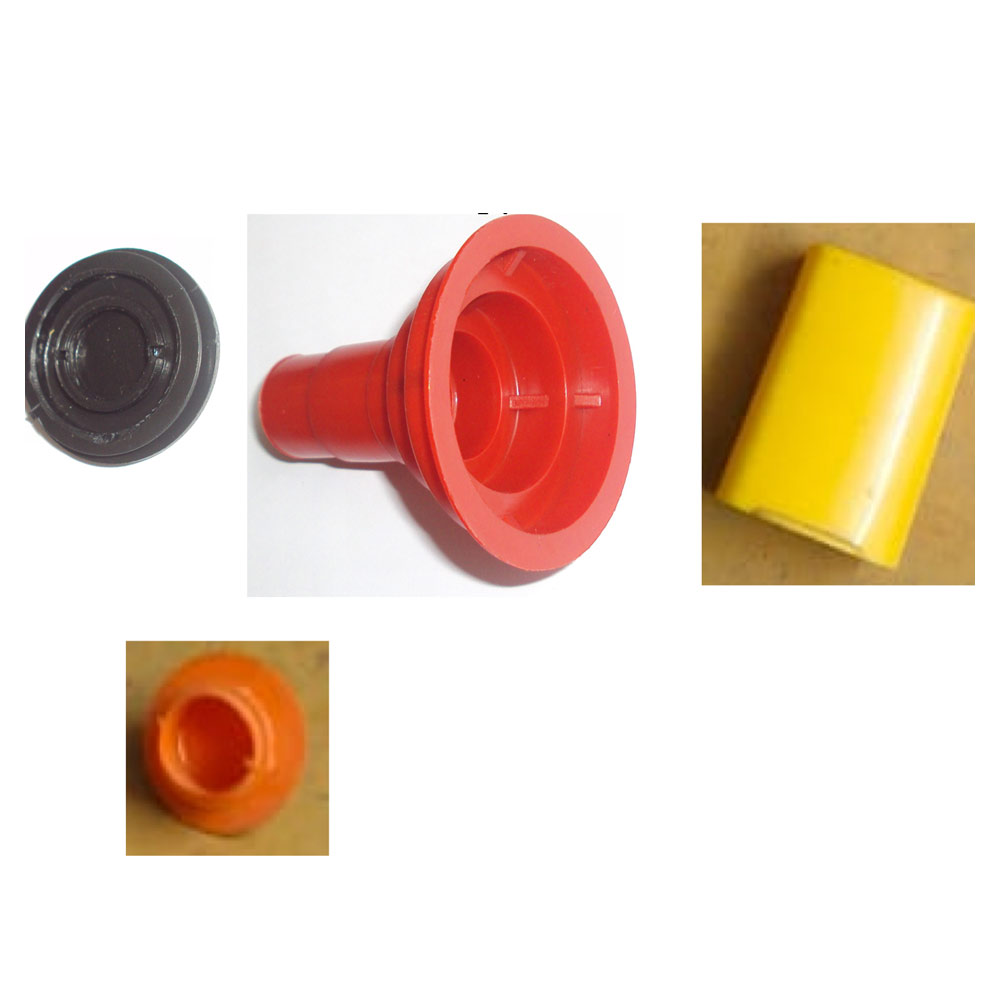
LDPE (Low-Density Polyethylene) is a highly flexible, lightweight engineering thermoplastic known for its exceptional impact strength and superior moisture barrier properties. Unlike its high-density counterpart, LDPE features a branched molecular structure that results in a lower crystallinity, giving the material its signature pliability and transparency. This unique combination of flexibility and toughness makes it the premier choice for applications that require repeated bending without failure, such as squeeze bottles, flexible tubing, and laboratory equipment.

Its natural resistance to acids, bases, and vegetable oils, combined with its food-grade safety, makes it an indispensable material in the global packaging and fluid-handling industries. Beyond its physical versatility, LDPE is valued for its excellent electrical insulation properties and ease of processing.